Contact

Data Lake Consulting

Your raw data lands in one affordable place, organized so your team can find it, trust it and use it for analytics and AI. You start with a no-cost consultation and strategy session.

Book a Free Strategy Call
  • See your savings first
  • Zero obligation
  • Instant reply
Trusted by clients in 7 industries
Cross-section of a lake with inflowing rivers and layered depths, a simplified model of a data lake
  • Full-service, end-to-end data consulting
  • 200+ data pipelines built
  • 60+ warehouse and lake migrations
  • 100+ governance assessments
  • Trusted by clients in 7 industries
  • A free first call and planning session
  • A single point of contact
  • Support in several languages

What Is Data Lake Consulting?

Data lake consulting is a service that designs, builds and runs a central store for your raw and semi-structured data, with the catalog, access rules and quality checks that keep it usable for reporting, analytics and AI. You start with the questions your team needs answered, not with a platform.

How a Data Lake Works in Your Business

  1. Data lands as it isFiles, events, logs and database exports arrive in a raw zone, unchanged, so you always keep the original record.
  2. Data is cleanedPipelines fix formats, remove duplicates and add structure, writing results to a cleaned zone in open table formats.
  3. Data is curatedBusiness-ready tables are shaped around customers, orders and revenue, with one agreed definition for each metric.
  4. Data is catalogedEvery dataset gets an owner, a description and access rules, so people find what exists and see only what they may.
  5. Completed result iconYou get a lake you can useAnalysts, data scientists and AI projects query the same governed data, and you see storage and query cost every month.

What Data Lake Consultants Actually Do

A good engagement covers the full path from scattered raw files to a lake your team can run, so you never end up with a bucket full of data nobody can find.

  • Source and use-case assessment
  • Lake and lakehouse architecture
  • Ingestion pipelines and table formats
  • Catalog, access control and quality checks
  • Cost and performance tuning
  • Training and handover

The Hidden Costs of a Data Lake Without a Plan

From buckets nobody can search to storage bills that keep growing, an unmanaged lake drains time, trust and budget. Yet many teams accept it as part of the job, for no good reason.

  • Hourglass icon1.

    Nobody Can Find the Right Data

    Files pile up with cryptic names and no owner, so analysts ask around, guess and rebuild datasets that already exist.

    Real costHours Wasted Each Week

    Time spent searching instead of analyzing

  • Warning icon2.

    The Lake Becomes a Swamp

    Data lands without checks, formats drift and columns change, so reports built on it quietly show wrong numbers.

    Real costTrust Eroded

    Teams stop using the lake

  • Inbox icon3.

    Sensitive Data Is Exposed

    Broad bucket permissions and no record of who read what leave personal data open to people who should not see it.

    Real costCompliance Risk

    Exposure you only find in an audit

  • Growing team icon4.

    Storage and Query Bills Keep Growing

    Duplicate copies, small files and unpartitioned tables inflate costs, and nobody owns the invoice.

    Real costRising Platform Costs

    Spend that grows faster than value

Data Lake Consulting Built Around How Your Team Works

Lake projects that stall usually started with a platform purchase. Yours starts with a clear map of what data you have, who needs it and which decisions depend on it.

From there you get a lake on the cloud account you already use, connected to your BI tools, notebooks and pipelines. Your team keeps control, and every dataset has an owner, tested rules and a way to measure whether it is healthy.

Deliverables From Us

  • A ranked list of sources and use cases worth starting with
  • A layered lake on the cloud you already use
  • A catalog and access rules for every dataset
  • Monthly reporting on storage, freshness and cost

Why a Governed Data Lake Pays Off Before You Scale Analytics and AI

Machine learning, search and advanced analytics need large amounts of raw history, and a lake is the cheapest place to keep it. Organizing that history once means every later project starts from data your team can find and trust. Start with the sources that matter most, prove the value and expand from there.

This Suits You If You Want To

  • Quick start iconKeep raw history for analytics and AI at low storage cost
  • Rising chart iconHandle growing volumes without growing the team
  • Shield iconControl who can see sensitive columns and files
  • Clock iconQuery fresh data without waiting for a rebuild
  • Connector iconConnect warehouse, BI tools and notebooks to one store
  • Target iconSee what each dataset and query costs you

Your Data Lake Consulting Process, Step by Step

  1. Step 1

    Free Strategy Call

    You talk through your goals, the data you already collect and the problems that frustrate your team most. Your consultant asks about sources, volumes and cloud platforms, and points out whether a lake is the right answer at all.

    You get a summary on paper and a likely cost

    Kept short and written, so colleagues can weigh in before you commit.

  2. Step 2

    Lake Assessment

    Your sources, current storage and access setup are reviewed for reliability, cost and risk. You see which data is worth landing first, which format and platform fit, and what each step would return.

    You receive a prioritized plan and a fixed price

    Priorities, timing and one fixed price for your first project.

  3. Step 3

    Build and Test

    The lake is built in small releases, starting with a few sources. Pipelines are checked against numbers you already trust, and your team approves the zones, definitions and access rules before go-live.

    You get a working lake, ready to use

    Connected to your tools, with a catalog, tests, documentation and training for the people who own it.

  4. Ongoing

    Run and Improve

    Your account manager tracks storage growth, freshness and cost every month. New sources are added as your needs grow, and slow or costly queries are tuned.

    You get monthly lake reports

    Freshness, usage and cost in one clear report, plus support whenever you need it.

Deliverables With Data Lake Consulting

Choose one piece or the full journey from assessment to support.

  • Every Source and Use Case, Mapped

    Your assessment lists each source, owner and goal, and scores them for value, effort and risk.

  • A Lake Built to a Clear Design

    You approve the zones, table formats and naming rules before anything is built.

  • Your Systems Connected in One Place

    Databases, SaaS tools, files, logs and events loaded into one governed store.

  • A Catalog and Access Rules

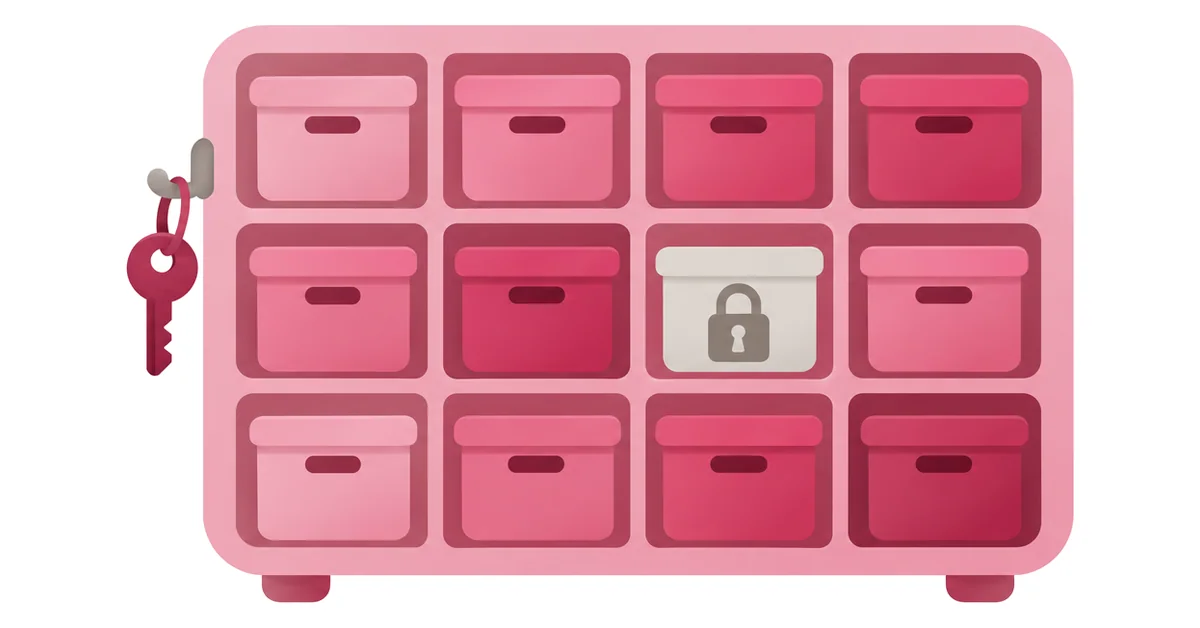
    Every dataset has an owner, a description and permissions, so people find data and see only what they may.

  • Your Team Is Trained Before Launch

    Short sessions and written runbooks so every pipeline and dataset has a confident owner.

  • Monthly Reporting and Tuning

    You see storage, freshness and query cost, and the expensive parts keep getting cheaper.

Data Pipelines Built200+
Warehouse and Lake Migrations60+
Terraces stepping down from raw to refined to curated zones, showing the layered zones of a data lake
Cabinet of cubbyholes with crates, a key and a padlock, showing a data catalog with controlled access

Data Lake Consulting Results From Real Clients

3 Owners, 1 Clear Data Policy

“Nobody could say who owned customer data. Trevio ran short workshops, named owners for each domain and wrote rules people actually follow. Audit questions that used to take weeks now take an afternoon, and the policy fits on two pages.”

SM
Sofia MarchettiHead of Operations, Logistics Firm

1 Source of Truth in 90 Days

“Customer records lived in five tools with five spellings. Trevio matched and merged them, then set up rules so duplicates stop coming back. Sales now works from one clean list and our campaign bounce rates dropped by a third.”

TB
Tom BrennanMarketing Operations Manager, Manufacturer

Direct Answers From Day One

“On the discovery call they asked about our data instead of pitching tools, and told us one project was not worth doing yet. That honesty is why we hired them. The work since has been fast, well documented and refreshingly free of buzzwords.”

RC
Ryan CaldwellCTO, SaaS Company

Your Data Before and After a Data Lake

Where hours go now, and how many your team can win back.

Before a Data Lake

  • Raw files scattered across drives and buckets
  • Nobody knows what data exists or who owns it
  • Old data deleted because storage is expensive
  • Broad permissions on sensitive files
  • Cloud costs grow with no owner

After a Data Lake

  • One governed store with clear zones
  • A catalog that shows owners and descriptions
  • Years of raw history kept at low cost
  • Dataset-level access rules and audit logs
  • Cost tracked per dataset and query

Benefits of Data Lake Consulting for Your Business

Why outside help pays off when you build a lake.

Clock iconYou Find Data in Minutes, Not Days

A catalog with owners and descriptions ends the hunt through buckets and shared drives. Analysts and data scientists spend their time on analysis instead of asking around.

Shield iconYou Keep Control of Sensitive Data

Dataset-level permissions, masking and audit logs show who can see what and who did. That makes audits and privacy requests far easier to answer.

Rising chart iconYou Scale Without Rebuilding

Storage and compute are separate, so you add data without buying more query power. Open table formats let you change engines later without rewriting everything.

Target iconYou Avoid an Expensive Data Swamp

Many lakes fail because data arrives with no structure and no owner. Consulting starts with the business questions, so your first release is small, measurable and built to pay back before you expand.

Data Lake Consulting Pricing and ROI

Every project gets a fixed quote after a free lake assessment. Here is what an organized lake typically gives back, depending on how many manual data requests and searches your team handles each week.

Data requests per weekHours back per weekHours back per yearValue per year
50 17 hrs867 hrs$34,667
100Common first step 33 hrs1,733 hrs$69,333
200 67 hrs3,467 hrs$138,667

What to Expect Before Your Data Lake Project Starts

  • Hidden fees

    Clear Costs Before Work Starts

    After the assessment you get a fixed price, with nothing hidden and no surprise bills.

  • Projects that should not start

    An Upfront Fit Assessment

    If a warehouse alone covers your needs, you hear it on the first call, along with what to fix first.

  • Fuzzy status updates

    Straight Answers Throughout

    Every week: a short status on done items, open blockers and your to-dos.

  • Weeks of waiting

    A Short Written Plan After We Speak

    After we speak, you get a written recap covering what to tackle first, how long it takes and what it costs.

Greenhouse with sprout rows fed from a cloud shape by a pipe, showing a lakehouse design that fits the cloud you use

Lakehouse Design That Fits the Cloud You Already Use

No rip-and-replace projects. Your lake is built on the cloud account and tools you already pay for, with open table formats such as Apache Iceberg or Delta Lake, so you can change query engines later without moving the data.

Storage stays cheap and queries run where they fit best. New tools are only recommended when they clearly pay for themselves, which keeps your costs low and your team’s adoption high.

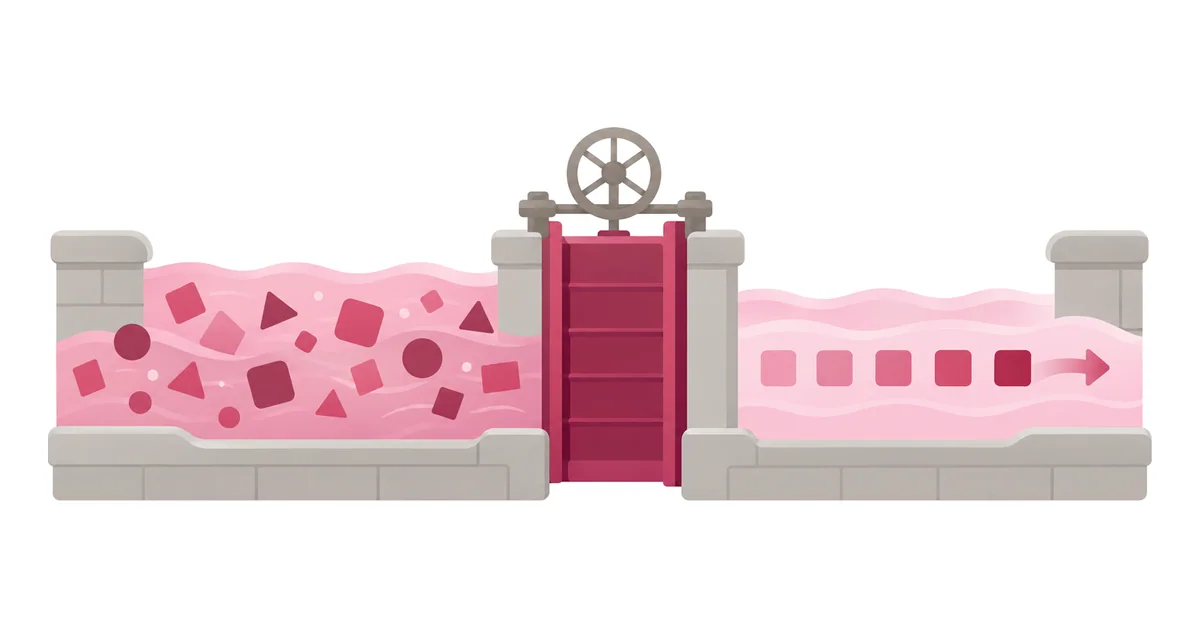
Canal lock gate letting only clean ordered blocks through, representing quality checks and access rules in a data lake

Catalog, Quality Checks and Access Rules That Keep the Lake Clean

A lake that holds everything is not the same as a lake you can use. Every dataset gets an owner, a description, tests for freshness and values, and access rules, so a late file or a changed column raises an alert right away.

Retention rules remove data nobody uses, and lifecycle tiers move old files to cheaper storage. Your lake stays organized as it grows instead of drifting into a swamp.

Data Lake Consulting for Your Industry

The lake use cases that pay back first in your sector.

Healthcare

Combine claims, device data, imaging metadata and scheduling files with strict access controls and audit trails. See healthcare data consulting for sector-specific work.

Retail and Ecommerce

Keep clickstream, orders, inventory and ad data in one place, so promotions and stock decisions use the same history. Many retail teams pair the lake with a data warehouse for dashboards.

Financial Services

Store transactions, risk data and documents with full lineage, so every figure traces back to its source. A well-planned data architecture makes audits far easier.

Software and B2B

Join product events, billing and CRM data to see churn, expansion and cost per customer. Most of the work is moving data in, which is where data integration comes in. If you want everything under one roof, look at a data platform.

How to Choose the Right Data Lake Consulting Partner

The right partner makes the difference between a lake that quietly serves your team for years and a bucket of files that nobody trusts. Before you sign, check that your data lake consulting partner can show you each of these:

  • A clear assessment process that ranks sources by value, cost and risk
  • Hands-on experience with the cloud and tools you already use
  • A catalog, quality checks and access rules designed in from day one
  • A fixed quote before the build starts, with no hidden extras
  • Monthly reporting on storage, freshness and query cost

Also ask who owns the code and configuration after launch. You should receive the repository, documentation and training, so the capability stays inside your business.

What You Can Count On From Your Data Lake Partner

  • Quote sheet icon

    Upfront Fixed Pricing

    Know exactly what you pay before any build starts.

  • Coin icon

    Top-Quality Work Without Big-Firm Fees

    Full support from first idea to finished result, sized for a first project.

  • Project lead icon

    One Named Contact

    A dedicated lead who knows your project inside out and replies quickly.

  • Shield icon

    Your Data Is Safe With Us

    Need-to-know access, documented flows and NDAs on request.

Data Lake Consulting FAQs

What Is a Data Lake, and Do We Need One?

A data lake is low-cost storage that holds raw data in its original form: files, logs, images, events and database exports. You need one when you have data that does not fit neatly into tables, when volumes are growing fast or when data science and AI projects need raw history. If your reporting runs on a few clean business systems, a warehouse alone is usually enough, and you hear that honestly on the first call.

What Is the Difference Between a Data Lake and a Data Warehouse?

A warehouse stores cleaned, structured tables built for reporting. A lake stores raw data in any format, cheaply, and applies structure when you read it. Many teams now combine both in a lakehouse, where open table formats such as Apache Iceberg or Delta Lake add tables, transactions and fast queries on top of lake storage. Your design depends on who queries the data and how often.

Which Platform Should We Build the Lake On?

The usual choices are Amazon S3, Azure Data Lake Storage or Google Cloud Storage for storage, with Databricks, Snowflake, Dremio or Starburst for processing and queries. The best fit is normally the cloud you already use and the skills your team has. You get a written comparison with costs before anything is bought, so the choice is yours and not a vendor’s.

How Do You Stop a Data Lake from Turning into a Data Swamp?

A swamp appears when data lands without owners, descriptions or quality checks. Your lake is built in layers (raw, cleaned and curated), every dataset gets an owner and a catalog entry, and automated tests check freshness and values on the way in. Retention rules remove data nobody uses. These habits are set up in the first weeks and handed to your team with runbooks.

How Long Does a Data Lake Project Take?

A first working lake with a few sources often goes live within several weeks. A larger platform with governance, many sources and streaming takes longer, depending on how clean your sources are and how many teams are involved. After the audit you get a timeline and a fixed quote, and work is delivered in small releases so you see data arriving early.

How Much Does Data Lake Consulting Cost?

The cost depends on the number of sources, the volume of data, the platform and how much governance you need. Cloud storage itself is cheap, and most of the spend goes to design, pipelines and query compute. You get a realistic range on your free discovery call and a fixed quote after the audit, so there are no surprises later.

How Do You Keep Our Data Secure in a Lake?

Security is designed in from the start. Access follows least-privilege rules, data is encrypted at rest and in transit, and sensitive columns can be masked or tokenized. Fine-grained permissions are set per dataset, and every data flow is documented for your security team. Healthcare and finance data get extra review, and NDAs are available on request.

Can You Migrate Our Existing Warehouse or Hadoop Cluster to a Lake?

Yes. Migrations are done in stages: inventory the jobs and tables, move the least risky workloads first, run old and new side by side and compare results before switching reports over. Old Hadoop clusters are a common starting point, because their cost and upkeep are hard to justify today. You keep working reports while the move happens.

Do You Work with the Tools We Already Use?

Yes. The lake is built on the cloud account and tools you already pay for, and connects to the BI, orchestration and loading tools your team knows. New software is only recommended when it clearly pays for itself, and you see the reasoning in writing first.

Do You Help After Go-Live?

Yes. After launch, your dedicated account manager monitors storage growth, pipeline health and query cost every month and suggests improvements. Support is available in 5+ languages. You also receive full documentation and training, so the lake stays in your team’s hands.

Start Your Data Lake Project With a Free Plan

Get a free lake assessment and a clear plan for your first sources.

Book a Free Strategy Call

Arrange Your Free Consultation

Please fill in your name.
Please check your email address.
Add a brief subject.
Briefly describe what you want to change.