Contact

Data Warehouse Consulting

Your sales, finance and operations data lands in one tested place, so every report shows the same number. You start with a no-cost consultation and strategy session.

Book a Free Strategy Call
  • See your savings first
  • Zero obligation
  • Instant reply
Trusted by clients in 7 industries
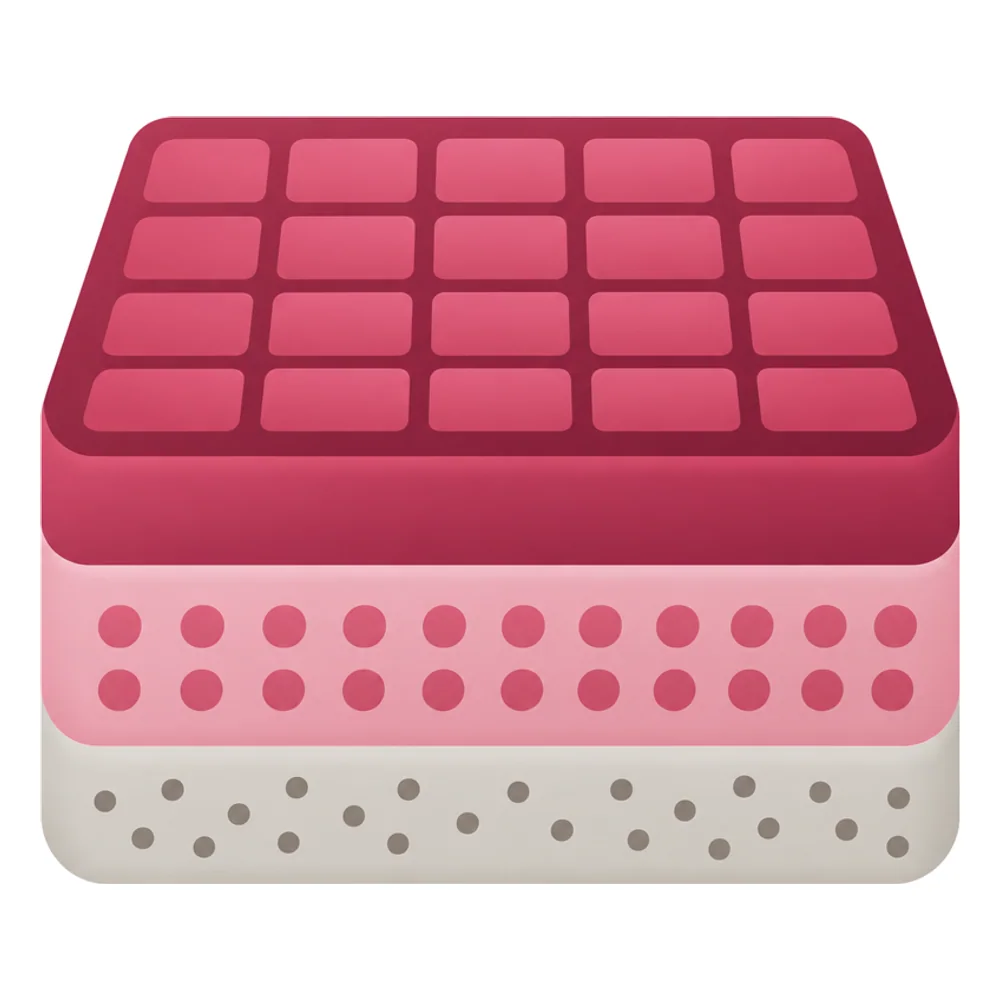
Simplified layered model of a data warehouse, from raw source dots at the bottom to a tidy structured table layer on top
  • Full-service, end-to-end data consulting
  • 200+ data pipelines built
  • 60+ warehouse and lake migrations
  • 100+ governance assessments
  • Trusted by clients in 7 industries
  • A free first call and planning session
  • A single point of contact
  • Support in several languages

What Is Data Warehouse Consulting?

Data warehouse consulting is a service that designs, builds, migrates and tunes the central store where your business data is cleaned, modeled and kept for reporting and analytics. You start with the questions your team needs answered, not with a platform.

How a Data Warehouse Works in Your Business

  1. Data is loadedRecords from your CRM, billing tool, website and databases arrive on a schedule, with every load logged.
  2. Data is cleanedDuplicates, gaps and odd formats are fixed by tested rules, so one customer looks the same everywhere.
  3. Data is modeledTables are shaped around your business, such as orders, customers and revenue, with one agreed meaning for each metric.
  4. Data is servedDashboards, analysts and AI tools query the same tables, with access rules that match each person's role.
  5. Completed result iconYou get one version of the truthReports agree, history is kept and you see warehouse cost and health every month.

What Data Warehouse Consultants Actually Do

A good engagement covers the full path from scattered sources to a warehouse your team can run, so you never end up with an expensive platform nobody trusts.

  • Source and reporting audit
  • Platform selection and sizing
  • Dimensional modeling and metric definitions
  • Loading, testing and monitoring
  • Migration from legacy warehouses
  • Cost control and team training

The Hidden Costs of Working Without a Real Warehouse

From spreadsheet exports to conflicting dashboards, scattered data drains time, trust and budget. Yet many teams accept it as part of the job, for no good reason.

  • Hourglass icon1.

    Every Report Starts With an Export

    Analysts pull files from five systems and stitch them together, so each monthly report costs days of manual assembly.

    Real costHours Lost Every Month

    Time your best people never get back

  • Warning icon2.

    Departments Disagree on the Numbers

    Sales counts revenue at signing and finance counts it at invoicing, so meetings turn into debates about whose figure is right.

    Real costDecisions Delayed

    Meetings spent defending spreadsheets

  • Inbox icon3.

    History Disappears

    Source systems overwrite old values, so questions about last year's customers or prices cannot be answered anymore.

    Real costLost Insight

    Trends you can no longer see

  • Growing team icon4.

    The Cloud Bill Keeps Growing

    Oversized compute and careless queries inflate the invoice, and nobody owns the cost.

    Real costRising Platform Costs

    Spend that grows faster than value

Data Warehouse Consulting Built Around Your Questions

Warehouse projects that stall usually started with a platform purchase. Yours starts with a list of decisions your team makes every week and the numbers each one needs.

From there you get a warehouse sized for your data, modeled around your business and loaded from the systems you already run. Every table has an owner, every metric has one definition and every load has a test.

Deliverables From Us

  • A platform choice backed by cost and skills, in writing
  • Models built around your business questions
  • Automated tests on every load
  • Monthly reporting on warehouse health and cost

Why a Warehouse Comes Before Dashboards and AI

Dashboards, forecasts and AI tools are only as good as the tables beneath them. A warehouse fixes that layer once, so every later project starts from numbers your team already trusts. Begin with the sources that matter most and expand from there.

This Suits You If You Want To

  • Quick start iconStop rebuilding the same monthly report by hand
  • Rising chart iconKeep years of history for trend and cohort questions
  • Shield iconGive each person access to only what they need
  • Clock iconGet fresh numbers on a schedule that fits your decisions
  • Connector iconConnect the tools you already use into one place
  • Target iconSee what each team and query costs you

Your Data Warehouse Consulting Process, Step by Step

  1. Step 1

    Free Strategy Call

    You talk through your reports, your sources and the numbers that cause the most arguments. Your consultant asks about volumes, platforms and budget, and points out where a warehouse is likely to pay off first.

    You get a summary on paper and a likely cost

    Kept short and written, so colleagues can weigh in before you commit.

  2. Step 2

    Warehouse Audit and Design

    Your sources, current reports and any existing warehouse are reviewed for accuracy, speed, cost and risk. You see which platform fits, how the models should look and what each phase returns.

    You receive a prioritized plan and a fixed price

    Priorities, timing and one fixed price for your first project.

  3. Step 3

    Build, Load and Test

    The warehouse is built in small releases and checked against figures you already trust. Your team checks the models, approves the definitions and signs off before any dashboard switches over.

    You get a working warehouse, ready to launch

    Connected to your systems, with tests, documentation and training for the people who own it.

  4. Ongoing

    Run and Improve

    Your account manager tracks load health and spend every month. New sources are added to the plan as your needs grow, and slow or costly queries are tuned.

    You get monthly warehouse reports

    Freshness, query speed and platform cost in one clear report, plus support whenever you need it.

Deliverables With Data Warehouse Consulting

Pick one service or the complete program, from audit to ongoing support.

  • Every Source and Report, Mapped

    Your audit lists each source, report and owner, and scores them for accuracy, speed and cost.

  • A Platform Choice You Can Defend

    Snowflake, BigQuery, Redshift, Fabric or another option, compared on your real workload.

  • Models Built Around Your Business

    You approve the table design and metric definitions before anything is loaded.

  • Loads Tested Every Time

    Late, missing or odd data raises an alert before it reaches a dashboard.

  • Migration Without a Cutover Weekend

    Old and new run side by side until your team signs off the numbers.

  • Monthly Reporting and Cost Tuning

    You see freshness, speed and spend, and expensive queries keep getting cheaper.

Warehouse and Lake Migrations60+
Data Pipelines Built200+
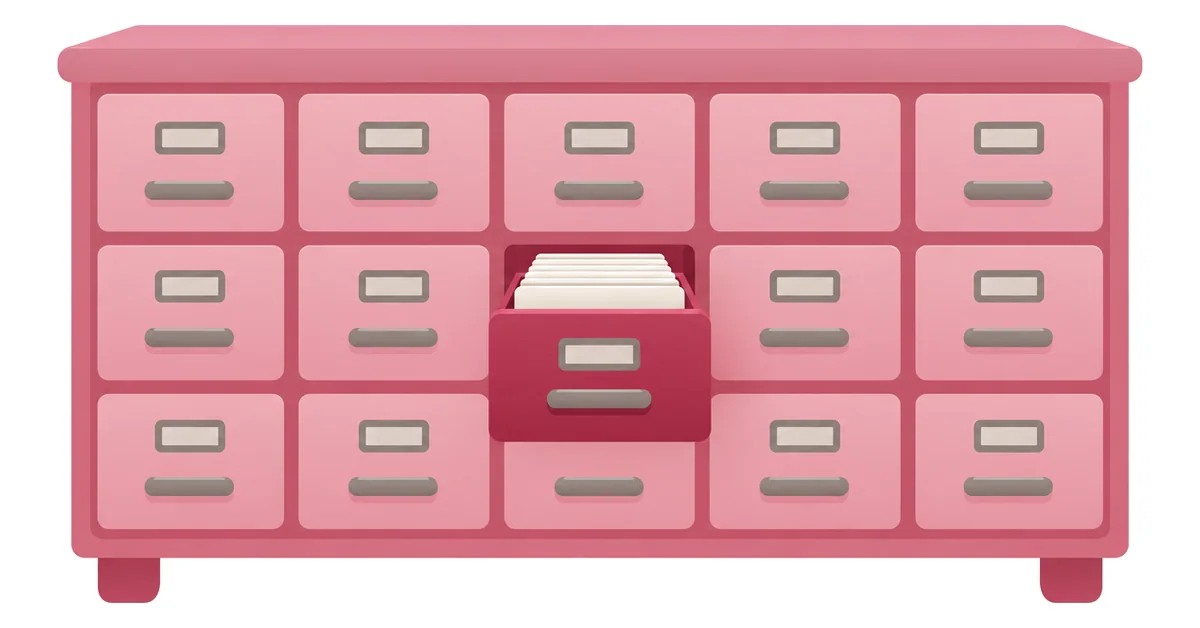
Card catalog cabinet with one open drawer of ordered cards, showing source data filed into organized warehouse layers
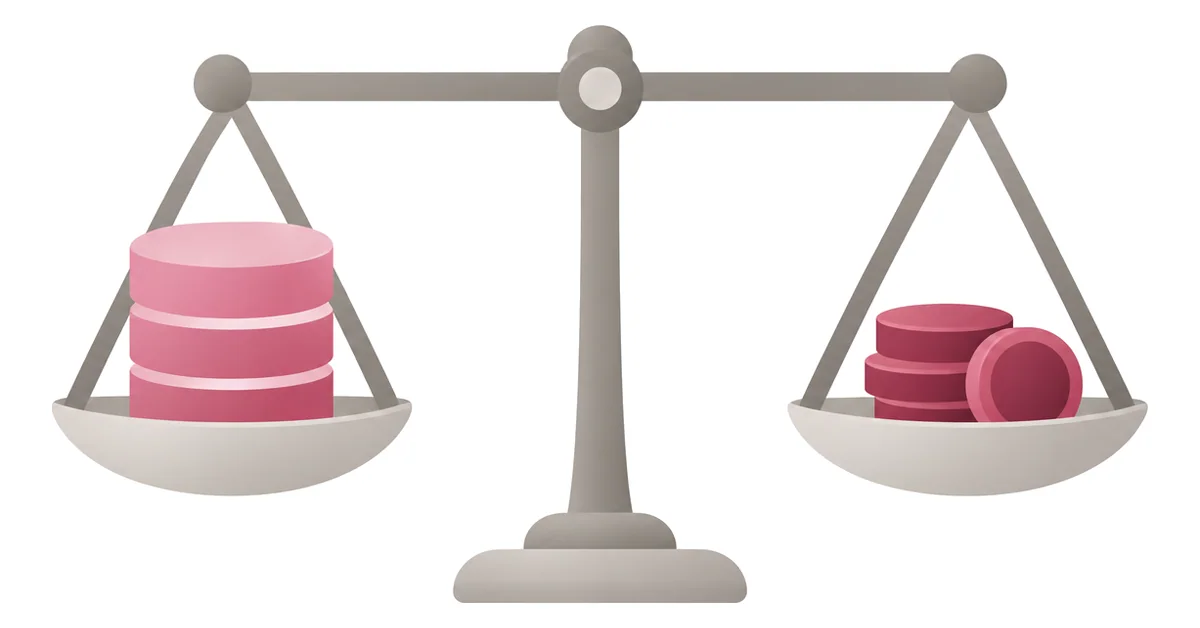
Balance scale weighing database storage cylinders against coins to review warehouse cost and usage in balance

Data Warehouse Consulting Results From Real Clients

2x Faster Data Pipelines

“Our nightly loads kept failing and nobody had time to look. Trevio rebuilt the worst jobs, added monitoring and trained two of our engineers. Runs now finish in half the time, and we get an alert before anyone notices a problem.”

AH
Amira HaddadData Lead, Ecommerce Brand

Cut Reporting Time by 40%

“Trevio mapped where our numbers disagreed and fixed the pipelines behind them first. Monthly reporting went from six days to under four, and finance finally trusts the dashboards. Every step was explained clearly and handed over with documentation.”

LJ
Laura JensenFinance Director, Retail Group

12 Systems Moved in 5 Months

“We were stuck on an aging warehouse and a pile of brittle scripts. Trevio planned the move in phases, ran both systems side by side and cut us over without a single day of downtime. Our team now owns the new setup and understands it.”

ME
Marcus EllisonVP of IT, Healthcare Network

Your Reporting Before and After a Data Warehouse

Where hours go now, and how many your team can win back.

Before a Warehouse

  • Reports rebuilt by hand from exports
  • Each team defines revenue differently
  • Last year's values overwritten
  • Cloud costs with no owner
  • Queries only one analyst understands

After a Warehouse

  • Reports refresh from tested tables
  • One agreed definition for every metric
  • History kept for trends and cohorts
  • Cost tracked per team and query
  • Documented models your whole team can use

Benefits of Data Warehouse Consulting for Your Business

Why outside help pays off when you build or fix your warehouse.

Clock iconHours Saved Every Week

Manual exports and spreadsheet patches often eat several hours per analyst each week. Scheduled loads and tested models do that work for you, so your team spends its time on analysis.

Shield iconYou Get Numbers You Can Trust

Tests run on every load. Duplicates, gaps and format errors are caught before they reach a report, which ends the arguments over whose figure is right.

Rising chart iconYou Scale Without Rebuilding

A well-designed warehouse takes new sources and larger volumes without a rewrite. You add data instead of redoing the foundation, and cost grows slower than usage.

Target iconYou Avoid Expensive Failed Projects

Many warehouse projects stall because they begin with a platform purchase. Consulting begins with your questions, so your first release is small, measurable and built to pay back first.
Data Warehouse Consulting Pricing and ROI

Every project gets a fixed quote after a free warehouse audit. Here is what a trusted warehouse typically gives back, depending on how many manual reports your team builds each month.

Manual reports per monthHours back per weekHours back per yearValue per year
20 30 hrs1,560 hrs$62,400
50Common first step 75 hrs3,900 hrs$156,000
100 150 hrs7,800 hrs$312,000

What to Expect Before Your Data Warehouse Project Starts

  • Hidden fees

    Clear Costs Before Work Starts

    After the audit you get a fixed price, with nothing hidden and no surprise bills.

  • Projects that should not start

    An Upfront Fit Assessment

    If a spreadsheet or a lighter tool would do, you hear it on the first call, along with what to fix first.

  • Fuzzy status updates

    Straight Answers Throughout

    Every week: a short status on done items, open blockers and your to-dos.

  • Weeks of waiting

    A Short Written Plan After We Speak

    After we speak, you get a written recap covering what to tackle first, how long it takes and what it costs.

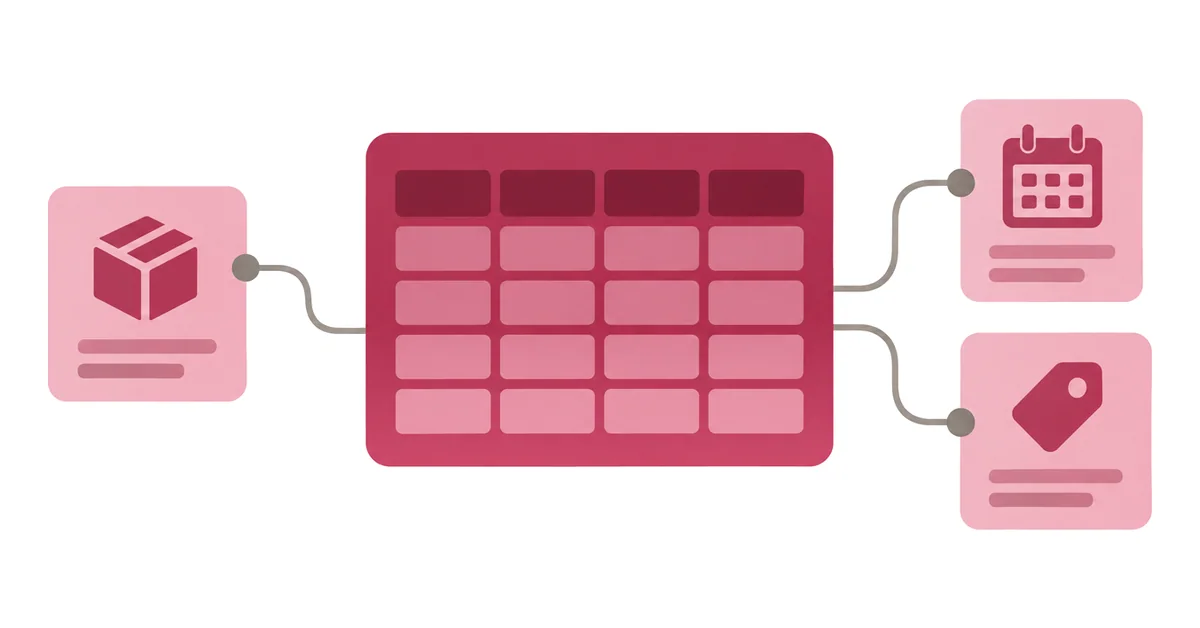
Fanned stack of cards with a central fact table card linked to smaller dimension cards for product, date and customer

Dimensional Models That Match the Way Your Business Talks

Tables are shaped around customers, orders, products and dates, so an analyst can answer a new question without a new project. Facts and dimensions follow your business, not the structure of the source systems.

Every metric gets one written definition that finance, sales and marketing sign off. After that, a dashboard and a spreadsheet pull the same figure, and the debate about revenue is over.

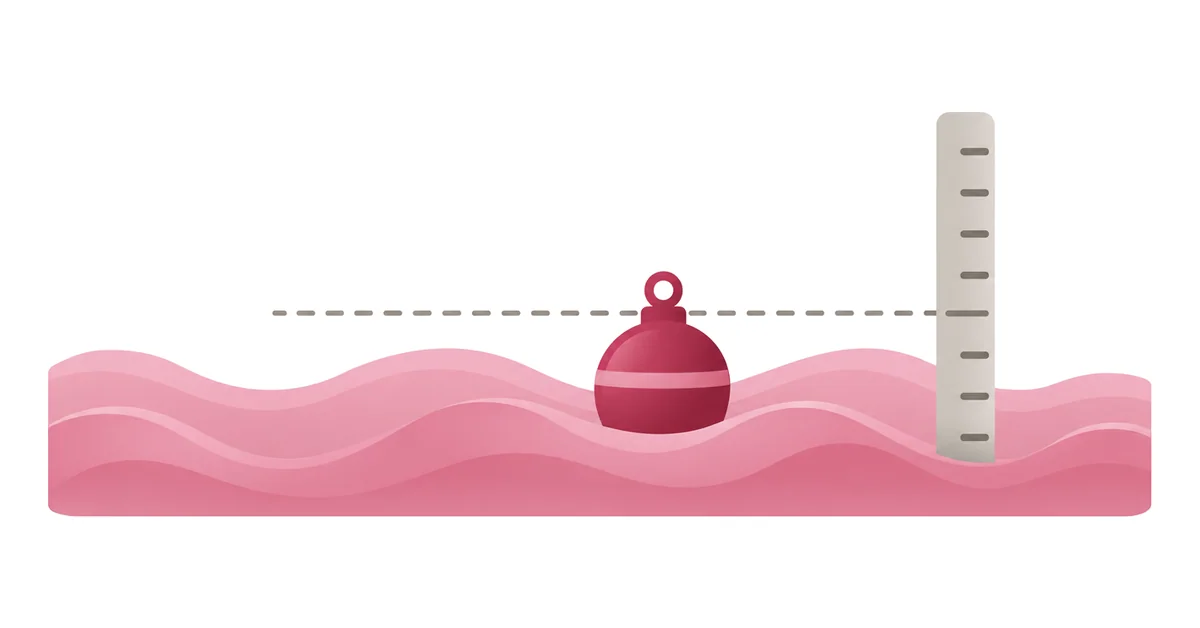
Water level gauge with a floating buoy below a budget line, representing warehouse spend kept within a predictable limit

Cost Controls and Monitoring That Keep Your Bill Predictable

Cloud warehouses bill for compute and storage, and the bill can surprise you. Compute is tagged by team and pipeline, idle clusters shut down on their own and budgets raise an alert before the month ends.

Each month you see the five costliest queries and what changing them would save. Your warehouse stays fast for the people using it and stays inside the budget you set.

Data Warehouse Consulting for Your Industry

The warehouses that pay back first in your sector.

Healthcare

Combine scheduling, claims and clinical data with strict access controls and audit trails. See healthcare data consulting for sector-specific work.

Retail and Ecommerce

Bring orders, inventory, web traffic and ad spend together, so promotions and stock decisions use the same numbers. Loading them reliably is a job for data engineering.

Financial Services

Keep transactions and risk data with full lineage, so every figure traces back to its source. A solid data platform makes audits far easier.

Software and B2B

Join product usage, billing and CRM data to see churn, expansion and cost per customer. Most of the effort goes into data integration across many SaaS tools.

How to Choose the Right Data Warehouse Consulting Partner

The right partner decides whether you get a warehouse that quietly runs for years or an expensive platform that few people use. Before you sign, check that your data warehouse consulting partner can show you each of these:

  • A clear audit that ranks work by cost, risk and return
  • Hands-on experience with Snowflake, BigQuery, Redshift, Fabric or the platform you already use
  • Tests, monitoring and cost controls designed in from day one
  • A fixed quote before the build starts, with no hidden extras
  • Monthly reporting on warehouse health and spend

Also ask who owns the code and models after launch. You should receive the repository, documentation and training, so the capability stays inside your business.

What You Can Count On From Your Data Warehouse Partner

  • Quote sheet icon

    Upfront Fixed Pricing

    Know exactly what you pay before any build starts.

  • Coin icon

    Top-Quality Work Without Big-Firm Fees

    Full support from first idea to finished result, sized for a first project.

  • Project lead icon

    One Named Contact

    A dedicated lead who knows your project inside out and replies quickly.

  • Shield icon

    Your Data Is Safe With Us

    Need-to-know access, documented flows and NDAs on request.

Data Warehouse Consulting FAQs

What Does a Data Warehouse Do for My Business?

A data warehouse stores cleaned, history-rich data from your CRM, billing tool, website and operations in one place built for reporting. Your teams query the same tables instead of exporting spreadsheets, so sales, finance and marketing see the same revenue figure. It also keeps history that source systems overwrite, which makes trends and year-over-year questions easy to answer.

Do We Need a Data Warehouse or a Data Lake?

A warehouse suits structured data and reporting, and a lake suits raw files, logs and machine learning. Many teams now use a lakehouse that covers both. You get an honest recommendation on the first call, based on your sources, your questions and your team's skills, and not on whichever product is fashionable.

Which Platform Should We Choose, Snowflake, BigQuery, Redshift or Something Else?

It depends on where your data already lives, how your team writes queries and how your usage looks over a month. A short comparison of cost, skills and lock-in is part of the audit, and you get it in writing. If you already pay for one of these platforms, the default answer is to stay and fix the design before switching.

How Long Does a Data Warehouse Project Take?

A first warehouse with two or three sources and a handful of reports often goes live within a few weeks. Larger programs with many sources, history loads and strict access rules take longer. After the audit you get a timeline and a fixed quote, and work is delivered in small releases so you check numbers early.

How Much Does Data Warehouse Consulting Cost?

Cost depends on the number of sources, the platform, the data volume and how many reports must match existing numbers. You get a realistic range on the free discovery call and a fixed quote after the audit. Most first projects are scoped small on purpose, so they prove value before you expand.

Can You Migrate Our Existing Warehouse to the Cloud?

Yes. Migrations start with an inventory of tables, jobs and reports, then move the most valuable workloads first and run old and new side by side until the numbers match. You switch dashboards over only after your team signs off, so there is no big-bang cutover weekend.

How Is Our Data Protected?

Access follows least-privilege rules, sensitive columns can be masked or encrypted, and every data flow is documented for your security team. Wherever possible, data stays inside your own cloud account. Healthcare and finance data get extra review, and NDAs are available on request.

How Do You Control Warehouse Costs?

Compute and storage are tagged by team and pipeline, so you see who spends what. Queries and schedules are tuned, idle compute is shut down and budgets raise alerts before a surprise invoice. Cost reviews are part of the monthly report, with the five most expensive jobs named.

Can You Fix the Warehouse We Already Have?

Yes. Many engagements start with a review of slow queries, duplicated models and conflicting metric definitions. The worst problems are fixed first, tests are added and your team is trained on the result, so you do not start from zero.

Do You Help After Go-Live?

Yes. Your dedicated account manager monitors load health, handles fixes and suggests improvements every month. Support is available in 5+ languages. As sources and volumes grow, the warehouse is extended, and you receive full documentation so the capability stays inside your business.

Start Your Data Warehouse Project With a Free Plan

Get a free warehouse review and a clear plan for your first release.

Book a Free Strategy Call

Arrange Your Free Consultation

Please fill in your name.
Please check your email address.
Add a brief subject.
Briefly describe what you want to change.