Key Takeaways
- Data engineering builds the pipelines, storage and checks that deliver clean, trusted data to analysts and AI.
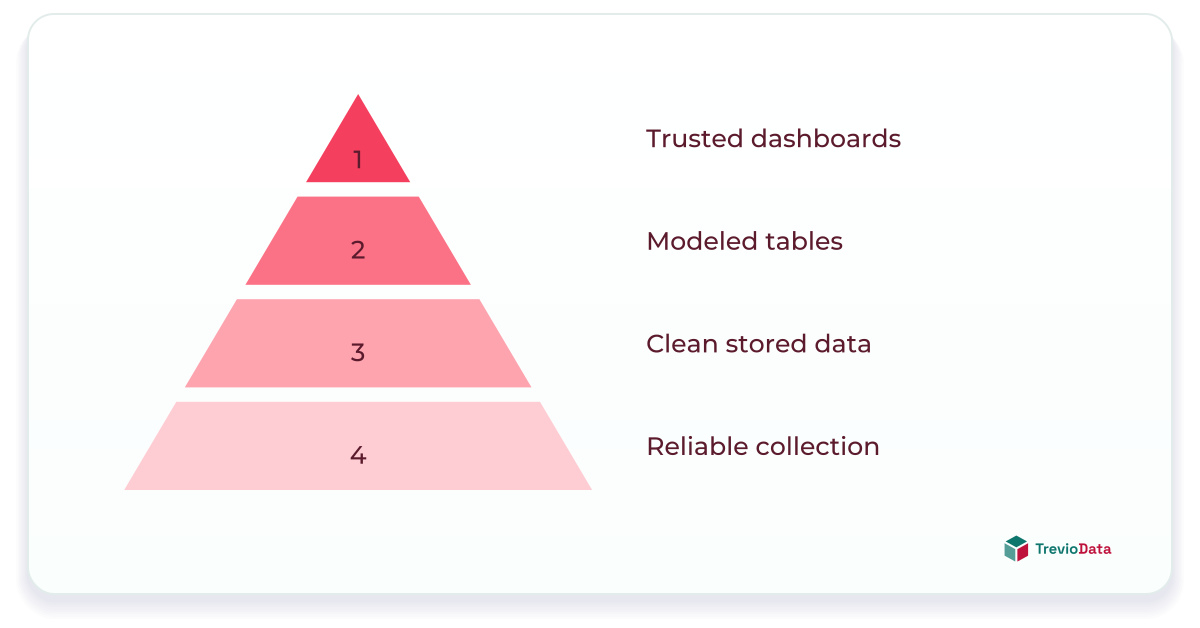
- A pipeline has four jobs: collect, clean, store and serve, and each one needs tests and monitoring.
- Most teams use ELT today: load raw data into a cloud warehouse first, then transform it with SQL.
- Learn SQL first, then Python, then orchestration, modeling and cloud platforms, in that order.
Every dashboard, forecast and AI model sits on top of a stack of data work that most people never see. That work is data engineering, and it decides whether the numbers in your meeting are right. If you want help with it, data engineering consulting covers the full path from audit to running platform.
I wrote this guide for two readers: the person starting out who wants a clear map, and the manager who needs to understand what the engineers are talking about. We begin with the basics and move toward the advanced topics, with a table or checklist where it helps.
What Data Engineering Means
Data engineering is the practice of building systems that move data from where it is created to where it is used, and keeping that data accurate on the way. Your CRM, billing tool, website, mobile app and spreadsheets all hold part of the picture. Data engineers connect them, clean the records and store the result in a place built for analysis.
The work looks like software engineering with a focus on data. Pipelines are code, they live in version control, and they are tested and deployed like any other service. The difference is that the input is messy and keeps changing. A vendor renames a field, a file arrives late, a form starts accepting emojis, and the pipeline has to cope.
It helps to see where the role sits next to its neighbors. The three jobs overlap, and small companies often give them to one person.
| Role | Main question | Typical tools | Output |
|---|---|---|---|
| Data engineer | Is the data complete, fresh and reliable? | Python, SQL, Airflow, Spark, cloud warehouses | Pipelines and clean tables |
| Analytics engineer | Are the business metrics defined once and correctly? | SQL, dbt, version control | Tested data models |
| Data analyst | What do the numbers tell us? | SQL, BI tools, spreadsheets | Dashboards and reports |
| Data scientist | What can we predict? | Python, notebooks, ML libraries | Models and forecasts |
How Data Travels From Source to Dashboard
Every pipeline, whatever the tool, does the same four jobs. Knowing them lets you read any architecture diagram.
Collect: Pulling Data Out of Source Systems
Data comes from databases, SaaS tools, files, event streams and APIs. Some sources let you copy only the rows that changed, which is called change data capture. Others give you a full export every time. The collection method affects cost, speed and how much load you put on the source system.
Clean: Fixing Duplicates, Gaps and Formats
Raw data is untidy. Dates come in five formats, customers appear twice, and a column that should hold numbers contains the word “n/a”. Cleaning rules fix those cases in one place so every report benefits. Good teams write these rules as tests that run on each load.
Store: Choosing a Home for the Data
Cleaned data lands in a warehouse, a lake or a mix of both. I compare these below, because the choice shapes everything downstream.
Serve: Getting Data to the People Who Need It
The last step makes data usable: modeled tables, a semantic layer, dashboards, exports and feeds for machine learning. A pipeline that stops before this step has not finished its job.
ETL vs ELT: The Order of the Steps
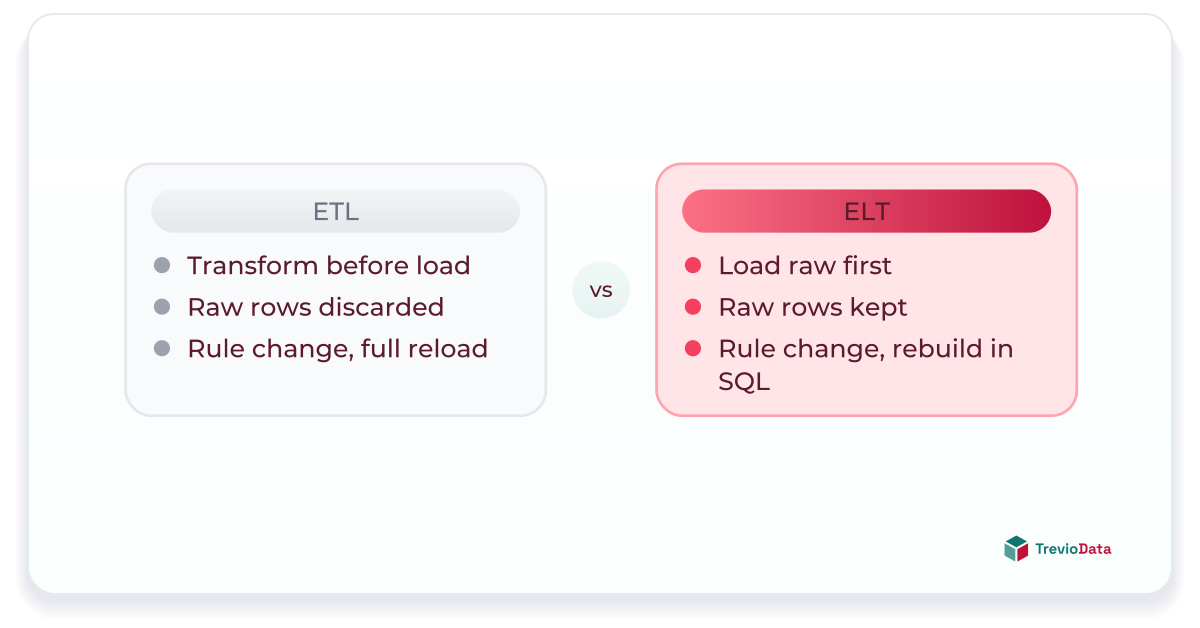
ETL stands for extract, transform, load. Data is reshaped on a separate server before it reaches the warehouse. ELT flips the last two steps: you load raw data first and transform it inside the warehouse with SQL. Cloud warehouses such as Snowflake, BigQuery and Redshift made ELT practical, because they can process large volumes quickly and storage is cheap.
ELT keeps the raw data, so when a business rule changes you can rebuild the tables without pulling from the source again. ETL still has a place when you must remove sensitive fields before data leaves a system, or when a legacy target cannot do the work itself. Most new projects I see start with ELT.
Warehouse, Lake or Lakehouse
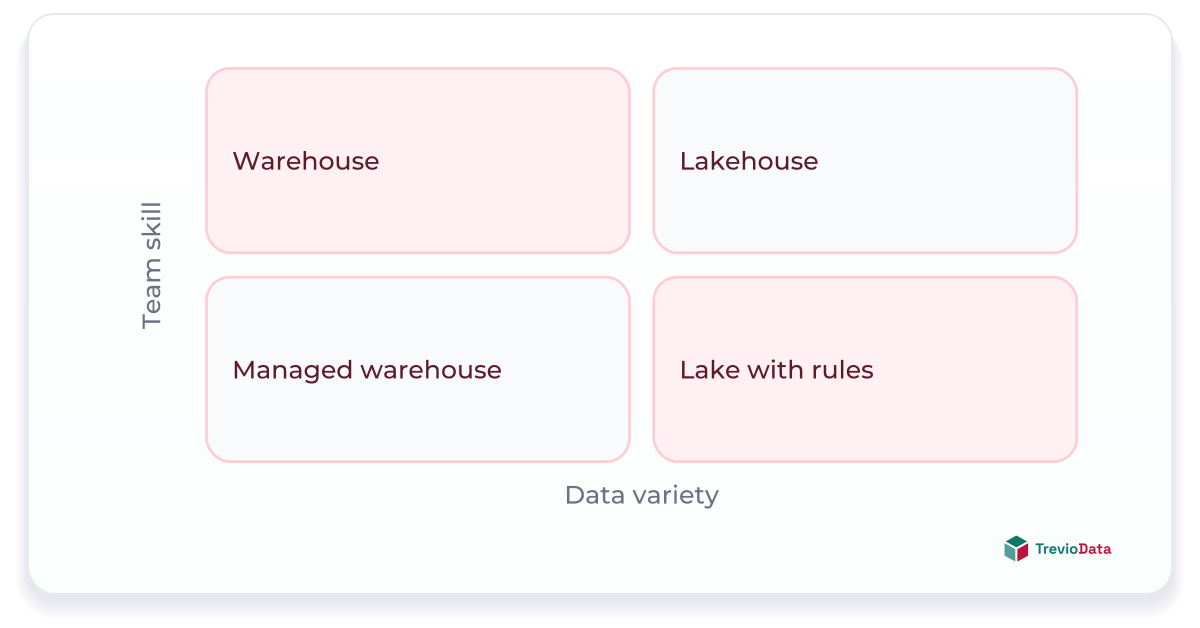
This is the question beginners ask most. The short answer: start with a warehouse unless you have a clear reason not to.
| Option | Stores | Strength | Be careful with |
|---|---|---|---|
| Data warehouse | Structured, modeled tables | Fast SQL, easy for analysts | Costs grow with heavy compute |
| Data lake | Raw files of any type | Cheap storage, flexible formats | Turns into a swamp without rules |
| Lakehouse | Files with table features | One copy for BI and machine learning | More skills needed to run well |
If your data is mostly orders, customers and marketing numbers, a warehouse is enough. If you also store images, logs or large event streams, or train models on raw data, a lake or lakehouse earns its place. A warehouse project is a good first step, and the data engineering tools I rank include the main platforms for each option.
Batch and Streaming
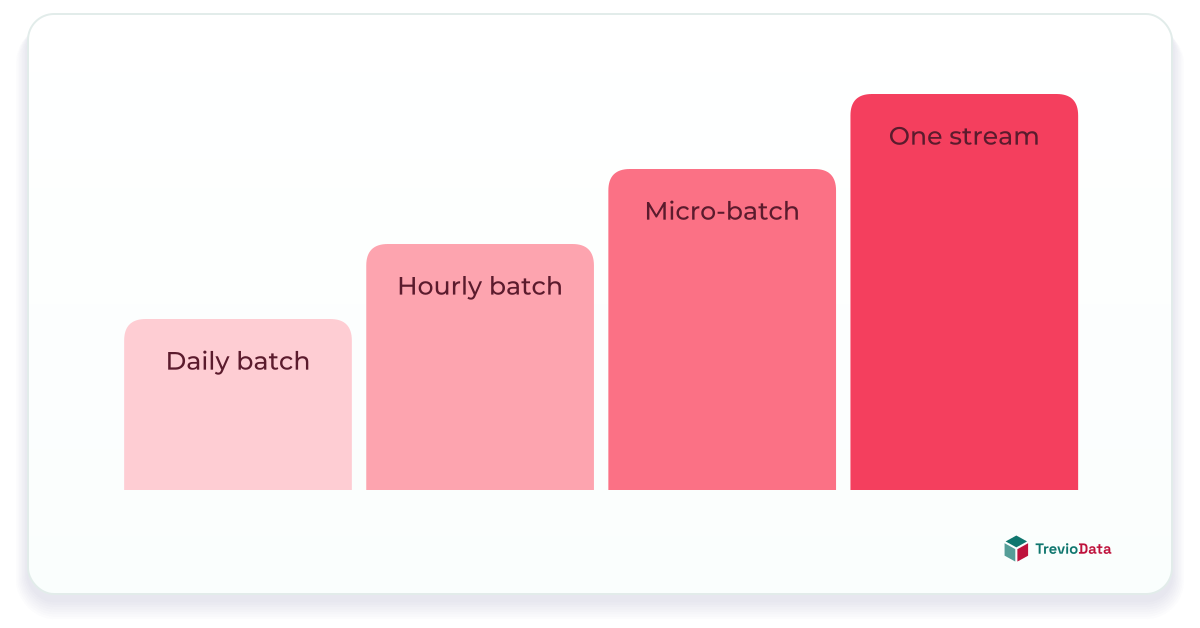
Batch pipelines run on a schedule, such as every hour or every night. Streaming pipelines process events as they arrive, within seconds. Streaming feels modern, and it is also more expensive to build and run. Fraud checks, live inventory and operational alerts justify it. A weekly sales report does not.
My default advice is to start with batch and move a single use case to streaming when someone can name the decision that needs the speed. Many teams find that micro-batches every five to fifteen minutes cover most of their needs with far less complexity.
Orchestration, Transformation and Testing
Once you have more than a few jobs, you need something to run them in order. An orchestrator such as Airflow or Dagster schedules tasks, retries failures and shows you what ran. A transformation tool such as dbt builds your tables from SQL files and runs tests against them.
Testing is what separates a platform people trust from a pile of scripts. Four checks cover most problems:
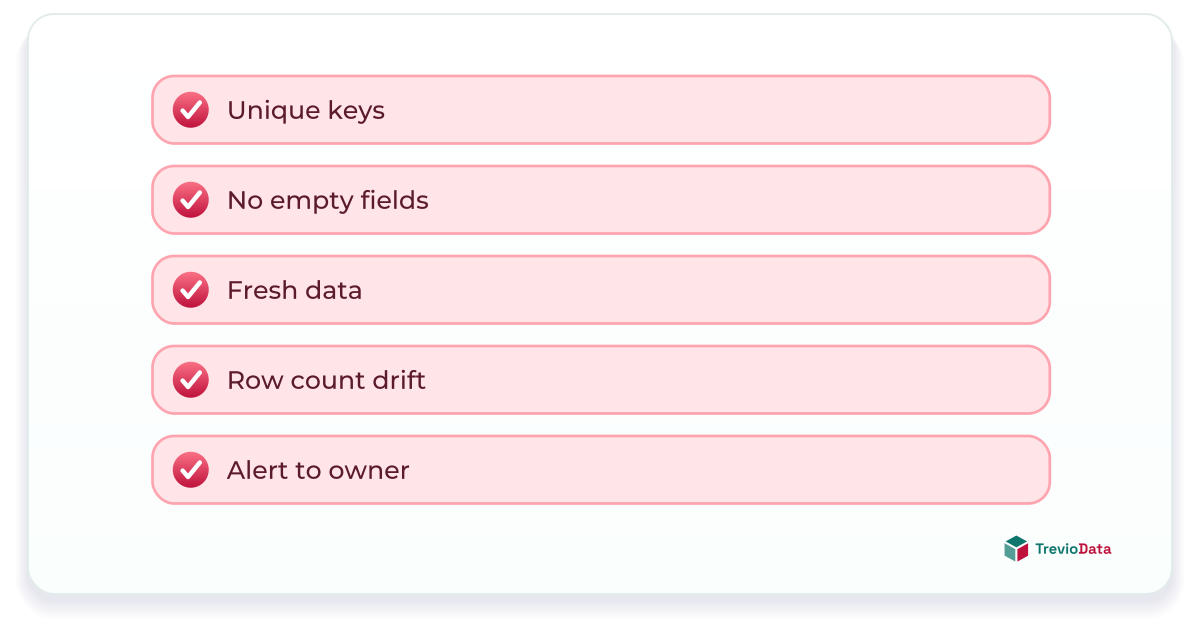
- Freshness: did the data arrive when it should have?
- Volume: is the row count close to what you expect?
- Uniqueness and keys: are IDs unique, and do they match their parent tables?
- Values: are amounts, dates and categories inside sensible ranges?
Add alerts that reach a person, and write short runbooks that say what to do. I cover the habits that keep this reliable in my list of data engineering best practices.
From Beginner to Pro: What to Learn and When
You do not need everything at once. This order works for most people, and it mirrors how I train new engineers on client projects.
| Level | Focus | Proof you are ready to move on |
|---|---|---|
| Beginner | SQL joins, aggregations and window functions; basic Python; how databases store data | You can answer a business question from three joined tables without help |
| Intermediate | Building an ELT pipeline, dbt models, Git, one cloud warehouse, scheduling with an orchestrator | A pipeline you built runs daily and alerts you when it breaks |
| Advanced | Data modeling patterns, incremental loads, streaming, cost tuning, access control | You can cut a slow job’s runtime or cost in half and explain why |
| Pro | Platform design, governance, reliability targets, mentoring and trade-off decisions | Other teams build on the platform without asking you for help |
Build one end-to-end project early. Pull data from a public API, load it into a free-tier warehouse, model it with dbt, schedule it and put a chart on top. You will learn more from fixing the first broken load than from a month of videos.
A Checklist for Your First Data Platform
If you are setting up a platform for a business rather than learning, run through this list before you buy tools:
- You can name the five questions the business needs answered first.
- Each source has an owner and a documented way to extract data.
- One definition exists for every core metric, such as revenue or active customer.
- Raw data is kept unchanged, with transformed tables built on top.
- Every pipeline has tests, an alert and a person who receives it.
- Access follows least privilege, and sensitive columns are masked.
- Costs are tracked per pipeline, with a monthly review.
Most platforms fail on items one and three, not on technology. If your teams already argue about definitions, fix that before you write any code. The problems that follow when you skip it are collected in my article on data engineering challenges.
How to Choose Between Building, Learning and Hiring Help
You have three realistic routes. Learning it yourself is the cheapest in cash and the slowest in time. Hiring a full-time engineer gives you ownership, and a good one takes months to find. Bringing in a partner gets a platform live faster, and it works best when the partner trains your people to run it afterwards. The trade-offs are laid out in data engineering outsourcing.
Many companies combine routes: a consultant designs the platform and builds the first pipelines, while an internal hire learns alongside and takes over. That keeps knowledge in your business and gets you results in weeks instead of quarters.
Questions About Learning Data Engineering
What Does a Data Engineer Do?
A data engineer builds and runs the systems that collect, clean, store and deliver data. That means pipelines from source systems, a warehouse or lake, scheduled jobs, tests and monitoring. Analysts and data scientists then use the tables the engineer prepares. In small companies one person often does all of it.
Is Data Engineering Hard to Learn?
It is learnable, and the path is clearer than it looks. You need solid SQL, working Python, a feel for how databases and cloud storage behave, and patience for debugging. Most people reach a useful level in six to twelve months of regular practice on real projects, and the advanced topics keep unfolding for years.
Which Programming Languages Do Data Engineers Use?
SQL comes first, because most transformation and querying happens there. Python is second, for pipelines, orchestration and glue code. Scala or Java appear in Spark-heavy teams, and some companies use Go or Rust for performance-critical services. Learn SQL deeply before you spread out.
What Is the Difference Between a Data Engineer and a Data Analyst?
A data engineer prepares and delivers reliable data. A data analyst uses that data to answer business questions with queries, dashboards and reports. The jobs overlap in the middle, often called analytics engineering, where people model data in SQL with tools such as dbt.
Do I Need a Data Lake or a Data Warehouse?
Most companies start with a warehouse, because it works well for structured data and SQL reporting. A lake makes sense when you store large volumes of raw or unstructured files. Many modern platforms blend the two as a lakehouse, so you rarely have to choose permanently.
How Long Does It Take to Build a Data Platform?
A first pipeline into a warehouse can go live in a few weeks. A platform with several sources, tests, monitoring and documentation usually takes a few months, depending on source complexity and data quality. Delivering in small releases lets you use the data while the rest is still being built.
When Should I Hire a Data Engineering Consultant?
Consider one when your reports disagree, pipelines keep failing, you have no engineer yet, or a migration is coming and nobody has done one before. A consultant can build the foundation and train your team to run it, which costs less than a long search for a senior hire.
Note: This article is general information, not legal, financial or tax advice. Figures and examples are estimates based on typical projects, so check current details with your providers and advisers before you decide.
Was this article helpful?
Thank you for letting us know.
Camille leads the Trevio editorial team and works with our consultants to turn real client projects into practical guides on data strategy, engineering and governance. Before joining Trevio, she spent 11 years in data engineering and analytics roles. She has since edited more than 300 articles on data management and reviewed pipelines and platforms from over 100 client projects. She is based in Denver, Colorado.