Key Takeaways
- Start with the five to ten decisions your clinical and finance leaders cannot answer today, then work backward to the data.
- Fix one foundation at a time: sources, definitions, ownership and access, in that order.
- Pick one use case that can show results in a quarter, and build the platform around it.
- Review a handful of measures monthly, and keep the strategy short enough that people read it.
Most healthcare data strategies fail in the same way: they describe a target architecture and say little about the decisions it should improve. Leaders approve the plan, a platform gets bought and a year later the dashboards still disagree. A strategy that works is shorter and more specific. It names the decisions, the data behind them, the owners and the first thing you will build.
This playbook breaks the work into six phases. It reflects what I see across hospital, clinic and payer projects, and it is the same sequence a healthcare data consulting engagement follows. Use the table to see the whole plan, then read the phase that matches where you are.
| Phase | Typical length | Main output | Decision gate |
|---|---|---|---|
| 1. Anchor in decisions | 1 to 2 weeks | Ranked list of 5 to 10 decisions | Sponsor signs off the list |
| 2. Inventory your sources | 2 to 3 weeks | Source map with quality and risk notes | Top sources chosen |
| 3. Set ownership and rules | 2 to 4 weeks | Owners, definitions, access model | Owners accept the role |
| 4. Build the foundation | 6 to 12 weeks | Pipelines, warehouse layer, monitoring | Numbers match source reports |
| 5. Deliver first use cases | 4 to 8 weeks | One to three live reports or models | Users adopt them |
| 6. Scale and measure | Ongoing | Monthly scorecard, next-domain plan | Quarterly review |
Why Healthcare Data Strategy Is Harder Than It Looks
Your data starts from a good position. The Office of the National Coordinator reports that more than 99% of non-federal acute care hospitals and 91% of office-based physicians used a certified EHR in 2024 (ONC). Digital records exist almost everywhere. The trouble starts when you try to use them across systems.
The same ONC series found that 70% of hospitals engaged in all four interoperability domains (find, send, receive and integrate) in 2023, up from 46% in 2018. Yet only 42% often used outside information when treating patients, even though 71% routinely had access to it (ONC data brief). Having data is one problem and using it is another, and your strategy has to deal with the second one.
The Six Phases of a Healthcare Data Strategy
Phase 1: Anchor the Plan in Decisions
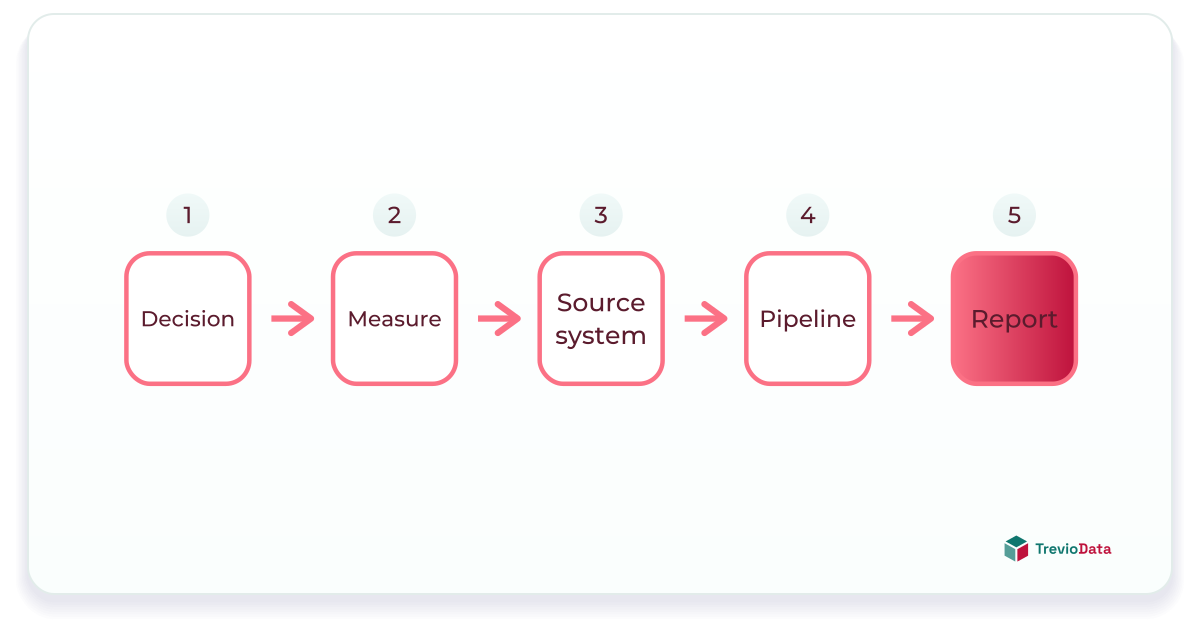
Sit down with the chief medical officer, the chief financial officer, the head of operations and the quality lead, and ask the same question: which five decisions do you make badly today because the data is missing, late or disputed? Typical answers include which service lines lose money, why denials rose, where readmissions cluster and which clinics have capacity.
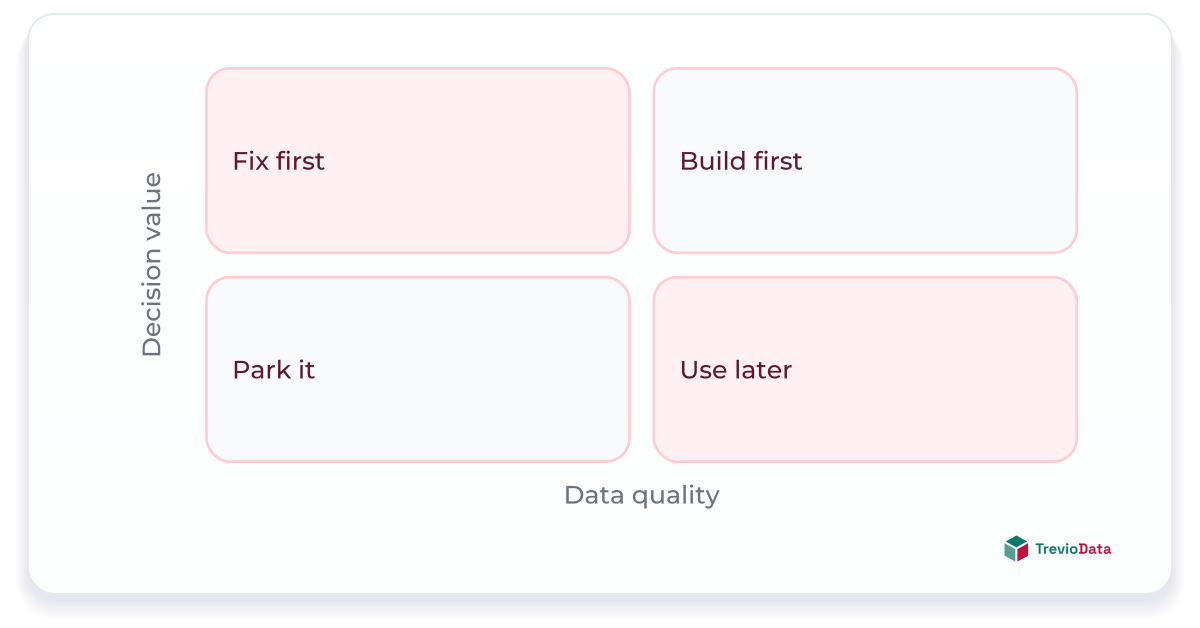
Rank the answers by value and by how much of the data already exists. Two or three will stand out. Those become your first use cases, and everything else in the strategy serves them. One health system I worked with started with 31 wishes and left the first workshop with four decisions, which made every later conversation shorter.
Phase 2: Inventory Your Sources
For each decision, list the systems that hold the data: EHR modules, billing and revenue cycle, claims, scheduling, lab, imaging, patient surveys and any spreadsheets that people trust more than the systems. Note who owns the system, how you can extract data (reporting database, standard export, HL7 feed or FHIR API) and what your contract allows.
Add two notes per source: how clean the data looks and how sensitive it is. A quick profile of a few key tables, counting blanks, duplicates and odd codes, takes days and tells you more than any questionnaire. Expect surprises, such as a patient identifier that is reused across sites or a diagnosis field that is mostly free text.
Phase 3: Set Ownership and Rules
Name one accountable owner for each domain you will use first, such as patients, providers, encounters, claims and finance. Give each owner the authority to settle what a term means. Then write a one or two sentence definition for the measures from phase 1. Readmission and length of stay are classic examples where three departments each hold a slightly different calculation.
This is also where you set the access model: who can see identifiable data, which fields are masked in reporting and who approves new requests. Keep the rules short. My healthcare data governance framework goes deeper on roles, policies and review cycles, and the strategy only needs the first version.
Phase 4: Build the Foundation for the First Use Case
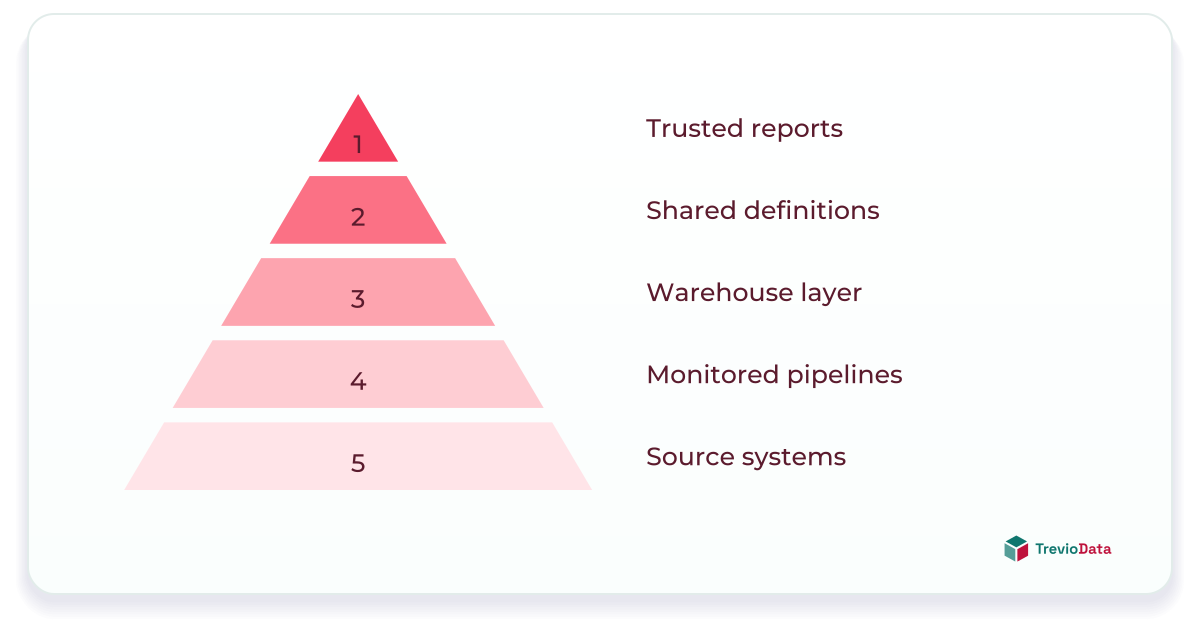
Now build, but only what the first use cases need. That usually means pipelines from two to four sources, a patient and provider matching approach, a warehouse or lakehouse layer with clear naming, and monitoring that alerts a named person when a load fails. Avoid designing the final platform up front. A narrow foundation that works beats a broad one that is half finished.
Test every number against a report your users already trust. If the new readmission count differs from the quality department's number, find out why before anyone sees a dashboard. Doing that early takes a few days and saves weeks of lost credibility. For help choosing what to put on top of the foundation, see my comparison of healthcare data analytics tools.
Phase 5: Deliver Use Cases People Actually Use
Ship one to three reports or models in four to eight weeks. Involve the end users in design, not just in review. A nurse manager who helped specify a staffing view opens it every morning, while a view built for her opens by accident. Train people in short sessions, collect feedback for a month and fix what annoys them.
Measure adoption from the start: logins, views and the decisions that changed. If a report goes unused, ask why before building the next one. The cause is often a definition people do not accept or a refresh schedule that does not match their meeting rhythm.
Phase 6: Scale and Measure
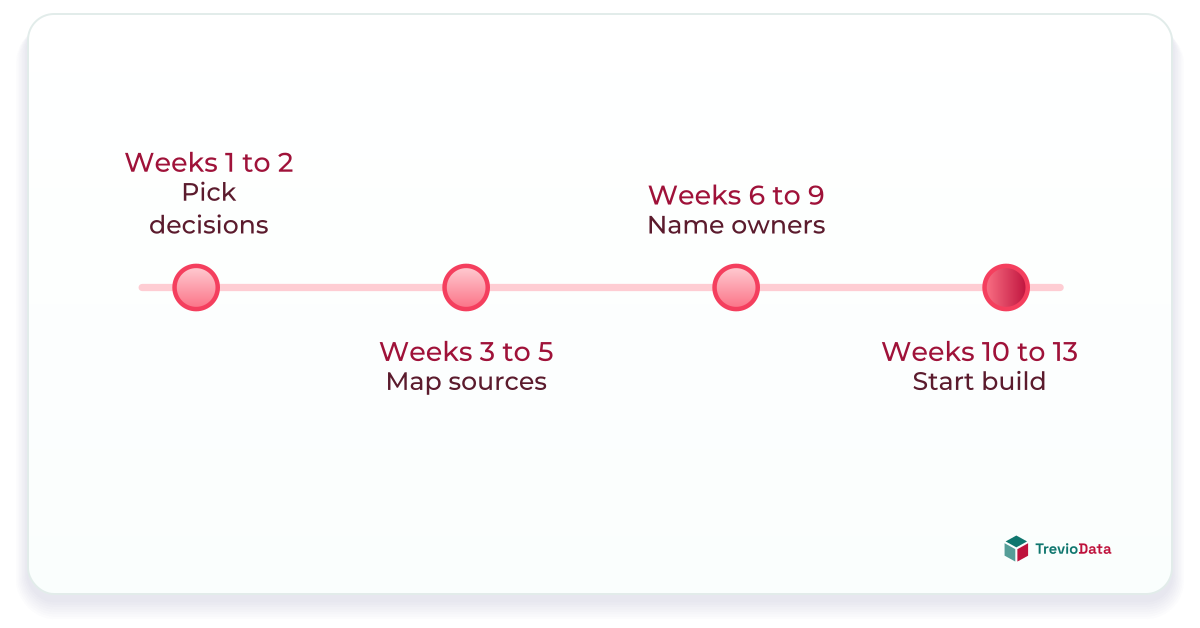
Once the first use cases hold, repeat the loop for the next domain. Keep a monthly scorecard of four to six measures: hours spent on recurring reports, share of key records that pass quality checks, time to answer a data request, count of disputed measures and share of critical datasets with an owner. Review it with your sponsor and publish it where your teams can see it.
Revisit the strategy every quarter. Priorities shift, vendors change their interfaces and regulations evolve, so a plan that never changes is already out of date. Statistics on how the field is moving are in my roundup of healthcare data statistics, which you can use to benchmark your own numbers.
Priorities by Organization Type
The sequence above holds for most organizations, but the first use case differs. The table shows where I would start for each type, based on where decisions are most expensive.
| Organization | Typical first use case | Key sources | Main risk |
|---|---|---|---|
| Hospital or health system | Readmissions and length of stay | EHR, billing, scheduling | Several definitions of the same measure |
| Physician group or clinic network | Denials and revenue cycle | Practice management, claims | Dirty payer and code data |
| Payer or health plan | Member risk and care gaps | Claims, enrollment, pharmacy | Matching members across files |
| Health tech company | Customer data pipelines and reporting | Product logs, partner feeds | Contracts limiting data use |
If your organization sits between two rows, pick the use case where a wrong number costs the most money this year. Money gets attention, and attention gets you the time to fix everything else.
Where Strategies Go Wrong
Four patterns show up again and again. The first is starting with a vendor. A platform demo is persuasive, but it answers a question you have not defined yet. Define the decisions first and the shortlist gets much shorter.
The second is perfecting the plan. A twelve-month roadmap written in week three is fiction. Plan the first quarter in detail and the rest in outline. The third is skipping the business owners and letting IT define terms. IT can run the systems, but a clinician should say what a readmission is.
The fourth is ignoring the people side. New reports change habits, and habits change slowly. Budget time for training, for fixing complaints and for retiring the old spreadsheets, or you will end up running both. The cost of getting this wrong is real: IBM's 2025 Cost of a Data Breach research puts the average healthcare breach at $7.42 million, the highest of any industry for the 14th year running (Chief Healthcare Executive), so access control belongs in the first version of the plan, not the last.
Where AI Fits in the Plan
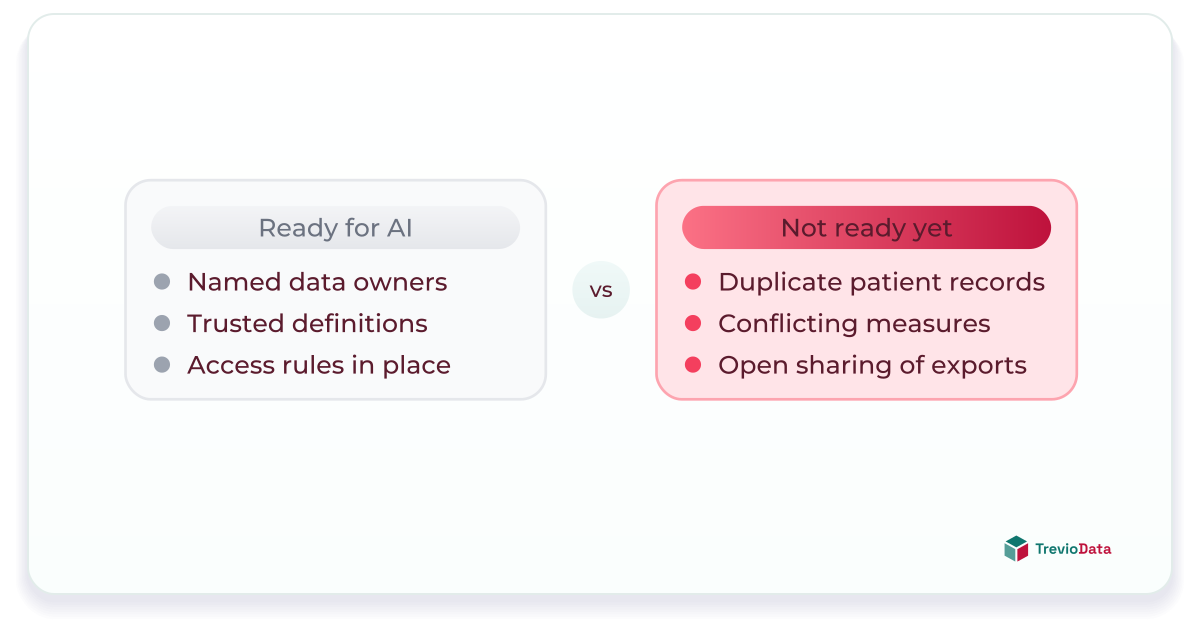
AI tools for documentation, coding, scheduling and risk scoring all depend on data that is complete and well labeled. Put them in the strategy as use cases, not as a separate track. For each one, record which data it needs, who approves that use, how you review its outputs and how you keep identifiable information out of places it should not go.
The same IBM research found that 13% of organizations reported a breach involving their AI models or applications, and 97% of those lacked proper AI access controls. Treat that as a reason to write the access rule before the pilot starts. The boring foundation work from phases 3 and 4 is what makes AI safe to try.
Picking a Place to Begin
Answer four questions, and your starting point usually becomes clear:
- Which decision costs you the most money or risk when the data is wrong?
- Which sources for that decision can you extract this month?
- Who can own the definition and has the time to do it?
- Which result could you show your board in 90 days?
If you cannot answer the second question, start with phase 2 and spend a few weeks finding out what your contracts and systems allow. If you cannot answer the third, start with phase 3. If you want a second opinion on the ranking, a short assessment is faster than a long internal debate. Many teams also compare their own sequence with the practices in my healthcare data management best practices before they commit.
Questions About Healthcare Data Strategy
What Is a Healthcare Data Strategy?
A healthcare data strategy is a short written plan that says which decisions your data must support, which sources feed them, who owns each domain and what you will build first. It links data work to goals such as safer care, lower cost or faster billing. A good one fits on a few pages and changes when your priorities change.
Who Is Accountable for the Strategy?
A named executive sponsor from the business side, usually the chief medical, operating or financial officer, with the chief data or information officer running the work. When IT alone owns it, the plan tends to describe systems instead of decisions. Clinical and finance leaders need a seat at the table from the first workshop.
How Long Does It Take to Write One?
In my client work, a first version takes four to eight weeks, depending on how many source systems and stakeholders are involved. The plan should be good enough to start on one use case, not perfect. Expect to revise it after the first quarter, when you know what the data actually looks like.
How Is a Data Strategy Different from a Governance Framework?
The strategy decides what you want from data and in which order you will build it. The governance framework defines roles, policies and controls that keep data trustworthy while you do it. You need both, and the framework is usually one workstream inside the strategy. My guide to the healthcare data governance framework covers the second part.
Do We Need a New Platform to Carry It Out?
Often not at the start. Many organizations already own a cloud warehouse, a BI tool and an integration engine. Check what they can do before buying anything, and let your first use case show which gaps are real. Buy a platform when you can name the job it has to do and the measure it should move.
How Do We Handle AI in the Strategy?
Treat AI as one more consumer of your data. Name which data models may use, who approves it, how you log and review outputs and how you protect patient information. Most AI problems I see are data problems, so the foundation work in this plan comes first. Confirm current legal and regulatory requirements with your advisor.
How Do We Measure Whether the Strategy Works?
Pick four to six measures before you start and record a baseline. Good ones are hours spent preparing recurring reports, share of key records passing quality checks, time to answer a data request, number of disputed measures and share of critical datasets with a named owner. Review them monthly with your sponsor.
Sources
- ONC: National Trends in Hospital and Physician Adoption of EHRs
- ASTP/ONC: Interoperable Exchange of Patient Health Information Among U.S. Hospitals, 2023
- Chief Healthcare Executive: The cost of healthcare breaches tops all industries
Note: This article is general information, not legal, financial or tax advice. Figures and examples are estimates based on typical projects, so check current details with your providers and advisers before you decide.
Was this article helpful?
Thank you for letting us know.
Camille leads the Trevio editorial team and works with our consultants to turn real client projects into practical guides on data strategy, engineering and governance. Before joining Trevio, she spent 11 years in data engineering and analytics roles. She has since edited more than 300 articles on data management and reviewed pipelines and platforms from over 100 client projects. She is based in Denver, Colorado.